
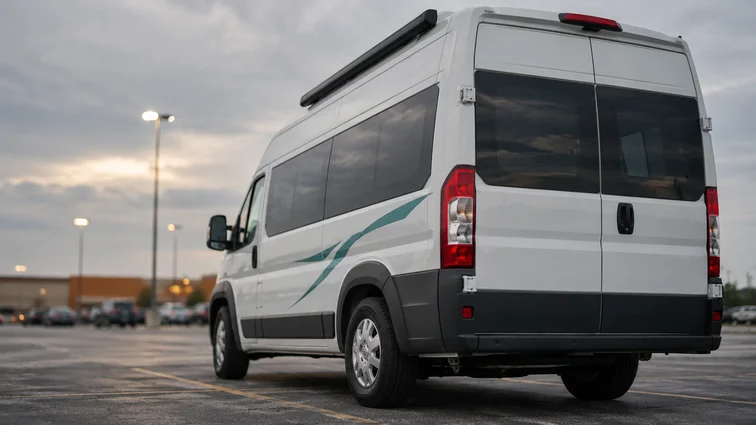
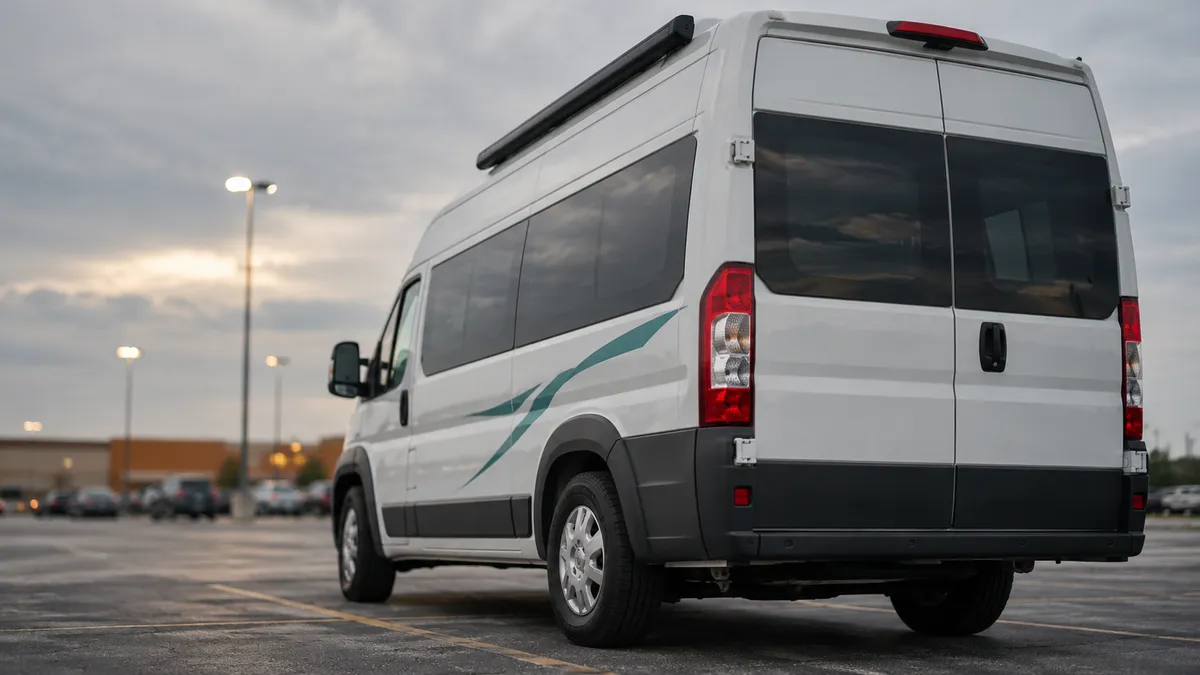
Parking an RV overnight is easier than most beginners expect, from store lots and truck stops to farms and public land. Each option has its own rules, and those rules change from one location to the next. This guide compares the most common spots, explains how to ask permission, and shows how to behave so the spot stays open for the next traveler.
Parking Is Not Camping
Overnight parking means you arrive late, sleep, and leave in the morning. Camping means awnings, chairs, and grills, and most free spots don’t allow it. Keep your slides in, stay hitched if you tow, and leave the chairs and grill packed away. Stores and restaurants have grown stricter over the years, so your behavior decides whether a spot stays open.
Your Options at a Glance
Here is how the most common places compare. Rules change from one location to the next, so treat this as a starting point and always confirm.
| Place | Cost | What to know |
|---|---|---|
| Walmart and big stores | Free | Manager decides; call first |
| Cracker Barrel | Free | Varies by location |
| Casinos | Free | Check with security |
| Truck stops | Free or paid | Use RV spaces, not truck spots |
| Highway rest areas | Free | Sleep only; limits vary |
| Harvest Hosts | Membership | Farms and wineries; support the host |
| Public land | Often free | No hookups; stay limits |
Walmart and Other Big Stores
Walmart’s corporate position is that it allows RV parking where it can, but each store manager decides, and local ordinances can override a yes, according to Boondock or Bust. Some stores welcome RVs and others post signs, so never assume.
Call the store and ask for a manager. Say you want one night, tell them when you will arrive, and offer to park at the far edge of the lot and shop inside. If the manager is unsure about city rules, treat it as a no, and keep a backup stop within about 30 minutes.
Cracker Barrel
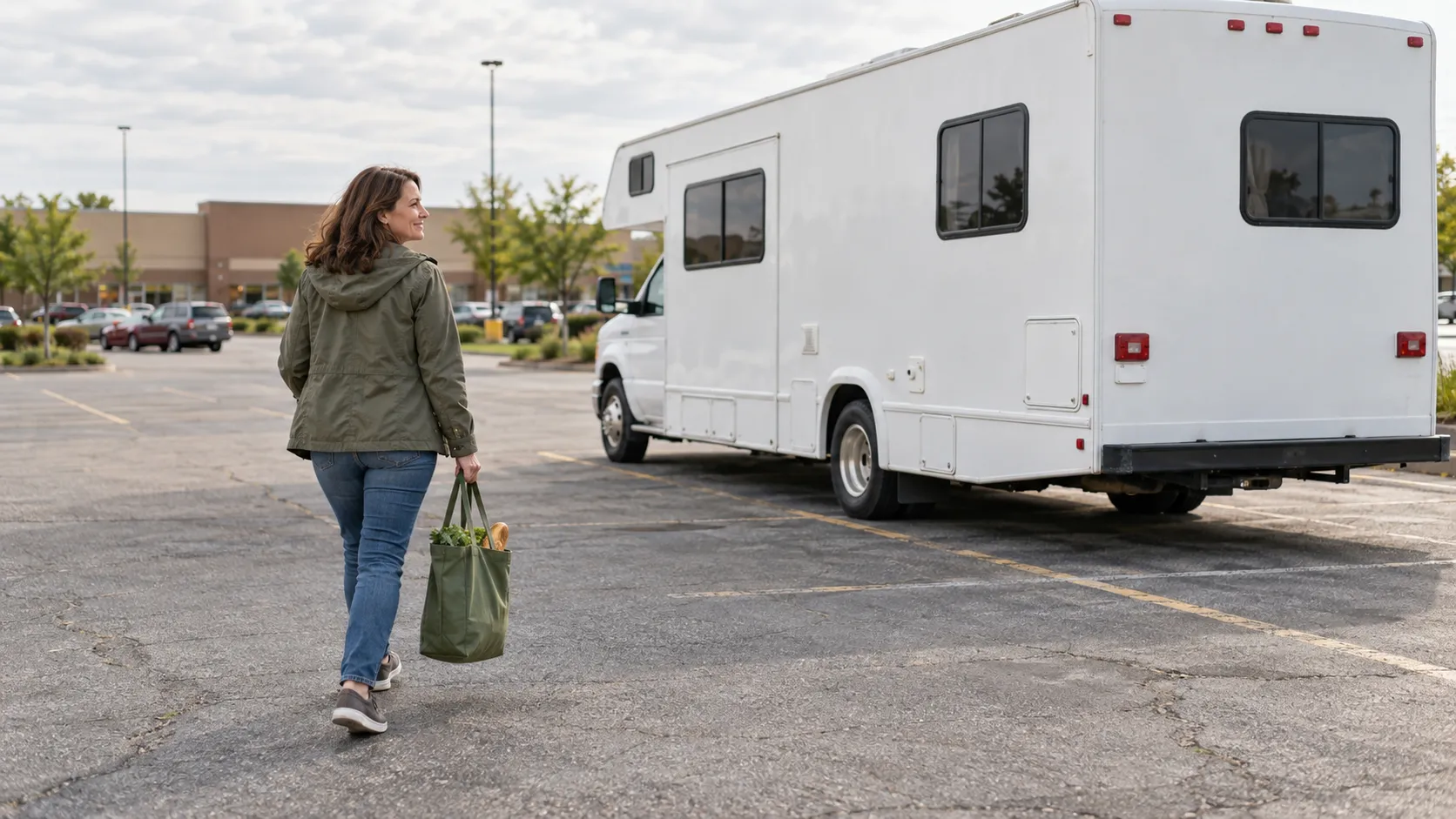
Cracker Barrel has no blanket ban, and no blanket yes either. RV Travel reported in April 2025 that some locations decline overnight stays and that each restaurant manager decides. Call ahead or check the sign in the lot, stay one night, and take your trash with you. Buying dinner or breakfast there is the usual thank-you.
Casinos and Truck Stops
Many casinos welcome overnight RVers, but some send you to their paid campground instead, so check with security after you pull in. RV Travel advises parking on the perimeter, limiting the free stay to one 24-hour period, and never leaving the RV unattended overnight.
Roadtrippers says Love’s and Pilot Flying J often have RV spaces. Park there or on the car side, never in the truck spaces, because drivers need those for their required rest. Parking is usually free, while dumping, showers, and hookups can cost extra.
Highway Rest Areas
Sleeping in your RV at a rest area is allowed in many states, but camping is not, so keep your slides in, your awning rolled up, and your chairs inside. Roadtrippers lists limits of 8 hours in California, 24 in Texas, and as little as 3 in Illinois and Maryland. Park away from idling semis, and leave truck spaces open.
Harvest Hosts
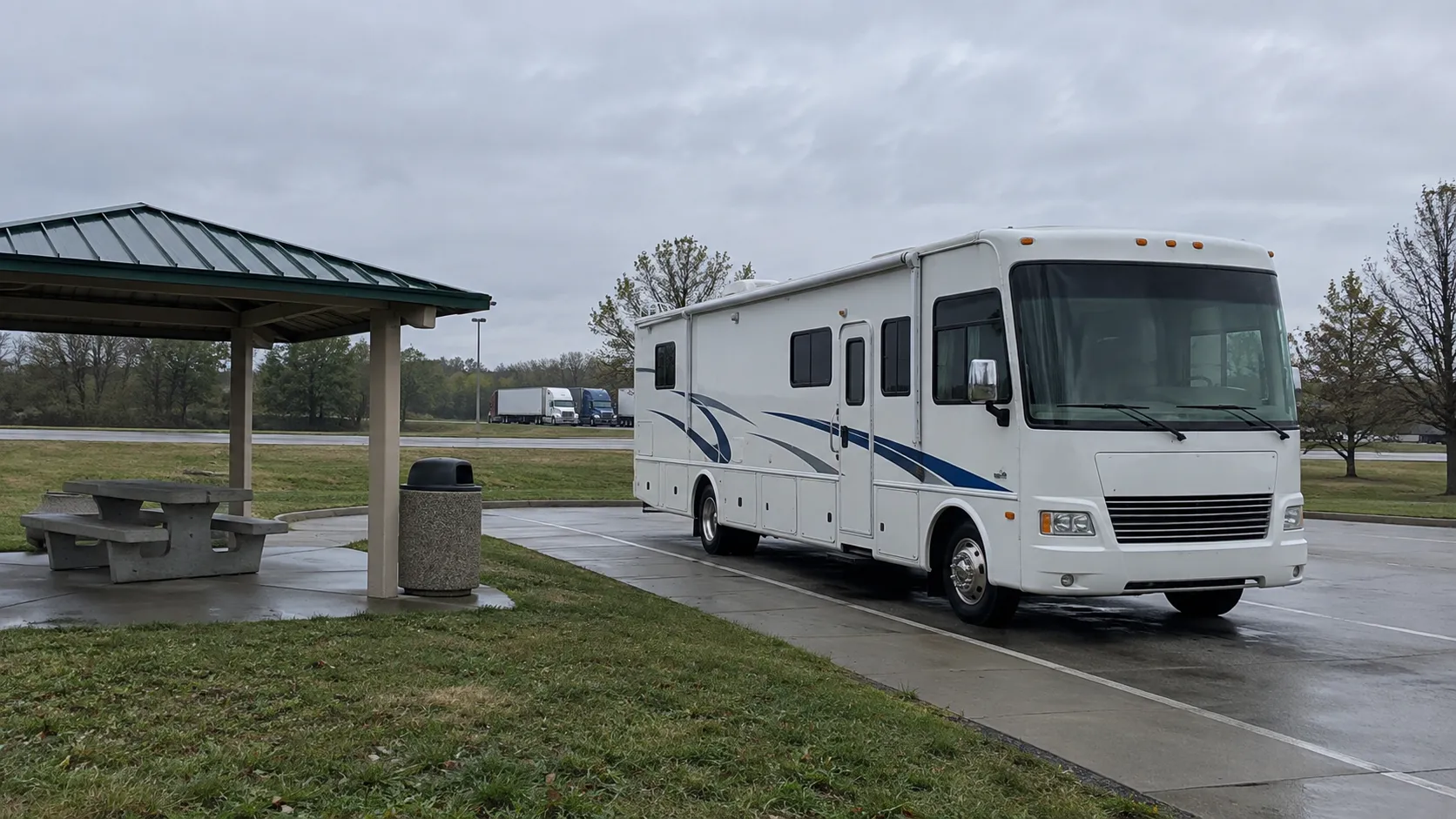
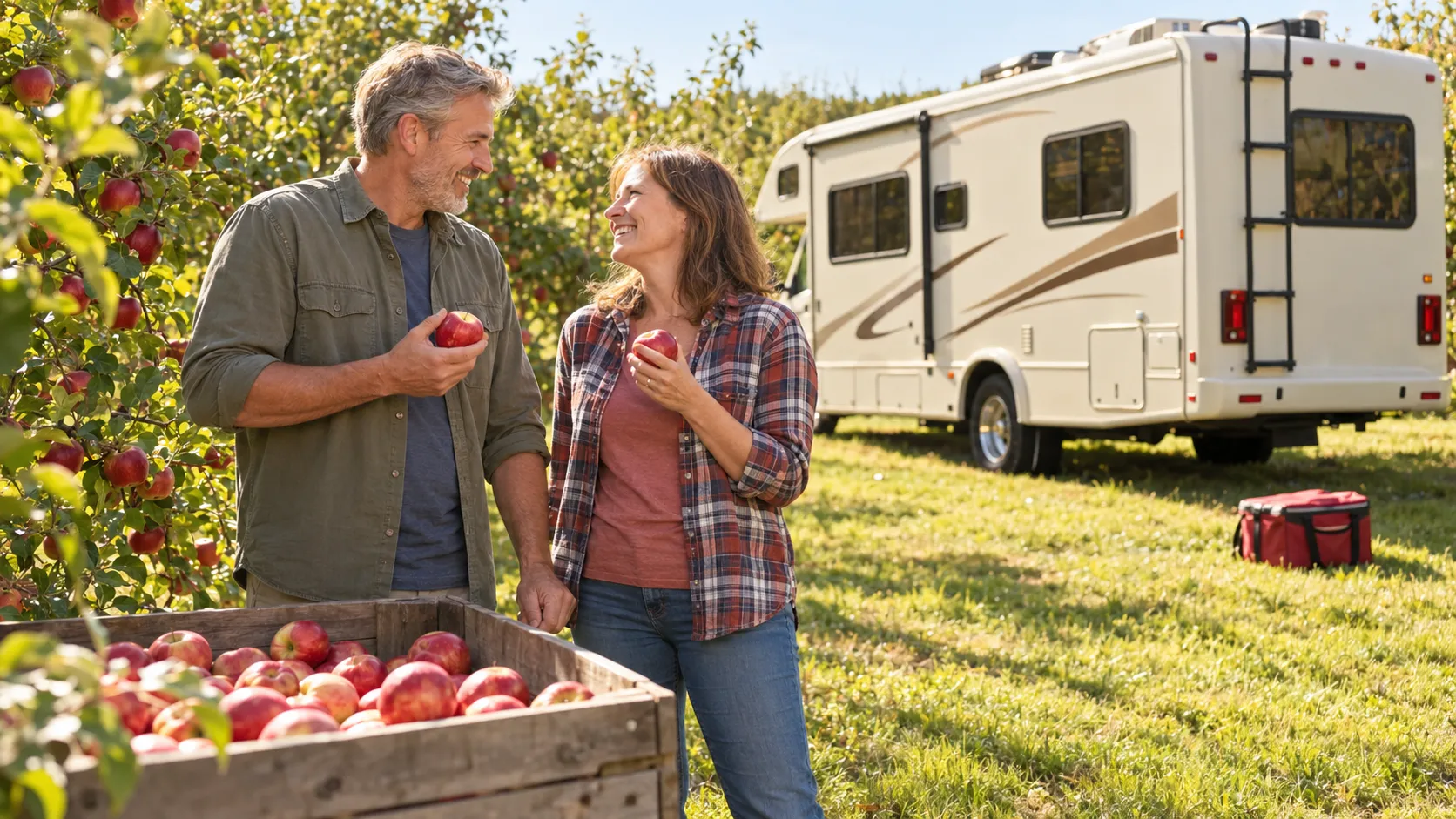
Harvest Hosts is a paid network of more than 9,700 farms, wineries, breweries, museums, and other small businesses that welcome RVers. The standard stay is one night, and the site suggests spending about $30 at the host’s business, such as wine, jam, or a meal.
Your RV needs its own toilet and cooking setup to qualify, so tents and vans without a bathroom are out. Many hosts allow brief daytime generator use, but quiet hours apply overnight, so check each listing before you book.
Free Camping on Public Land
The Bureau of Land Management (BLM) allows dispersed camping, which means camping outside a campground with no hookups. Stays are generally limited to 14 days within a 28-day period, and you camp within 150 feet of designated routes and at least 200 feet from water. Our boondocking guide covers water and power.
National Forests have their own rules, and they vary by forest. Check the forest’s Motor Vehicle Use Map to see which roads are open, read recent reviews about the last mile of road, and call the local ranger district about fire restrictions. Big rigs need extra homework on turnarounds, so study the map closely.
Subscribe to
Our Newsletter
By joining, you agree to receive emails.
See our Privacy Policy.
Questions to Ask Before You Stay
Whatever spot you choose, run through this list before you settle in. It takes a minute and keeps you on good terms with the host.
- A manager, security guard, or host has said yes.
- You checked the lot for “no overnight parking” signs.
- You are parked at the edge, away from entrances and truck spaces.
- Your slides are in, your awning is rolled up, and your chairs are packed.
- The area is well lit, with an easy way to drive out.
- You know when you need to leave in the morning.
Leave It Better Than You Found It
Stay one night. Arrive late, leave by mid-morning, and keep your trailer hitched so you can pull out at any time without help or delay.
Keep it quiet. Skip the generator unless the host allows it, and never run one late at night, because the noise carries across a whole lot.
Spend something. Buying groceries, fuel, or a meal inside is the easiest way to say thanks, and it keeps the welcome mat out for the next RVer.
Take your trash. Never dump your tanks or leave garbage behind, because one messy visit can close a lot to every RVer who comes after you.
Stay Safe at Night
Arrive before dark so you can see the lot. Pick a well-lit spot toward the edge, not a dark corner, and park facing out so you can leave easily. Trust your instincts, and if a place feels wrong, drive on and find another. Heading to a campground after hours instead? Our first-time camping guide covers late arrivals.
Find Spots With Apps
Apps like Campendium and Roadtrippers show overnight spots with reviews from other RVers. Read the recent ones, because a store that said yes last year may have changed its mind. Our trip planning guide shows how to space your driving days.
Your Next Step
You don’t need a reservation for every night. A store lot, a rest area, or a farm stop can save a long driving day, as long as you ask first and leave no trace. When you do book a campground, our campsite setup guide walks you through hookups and leveling.