


RV ownership costs are the part of buying an RV that most new owners underestimate. The purchase price is only the start, because insurance, storage, upkeep, fuel, and campsites come back every year. This guide breaks down each cost with sourced ranges, then adds them up in a sample yearly budget you can copy.
Depreciation: The Cost You Don’t See
Depreciation is usually the biggest cost, and you never write a check for it. J.D. Power says a new RV loses about 20% of its value as it leaves the lot. After five years, it puts a Class C at about 38% down, a travel trailer at about 40%, and a fifth wheel at about 45%.
Say you buy a $60,000 Class C. After five years it may be worth around $37,000, which is about $4,600 a year in lost value. Those figures are older estimates, so treat them as a guide, and remember that buying used skips the steepest drop.
Insurance
Progressive lists 2024 averages of about $594 a year for a travel trailer and $1,052 for a motorhome. Your own price depends on the RV’s value, where you live, how often you use it, and your driving record, so get quotes for the exact RV you want.
Lenders usually require full coverage on a financed RV. If you live in your RV six or more months a year, Progressive says you may need extra coverage that works like homeowners insurance. Ask for a quote before you buy.
Storage
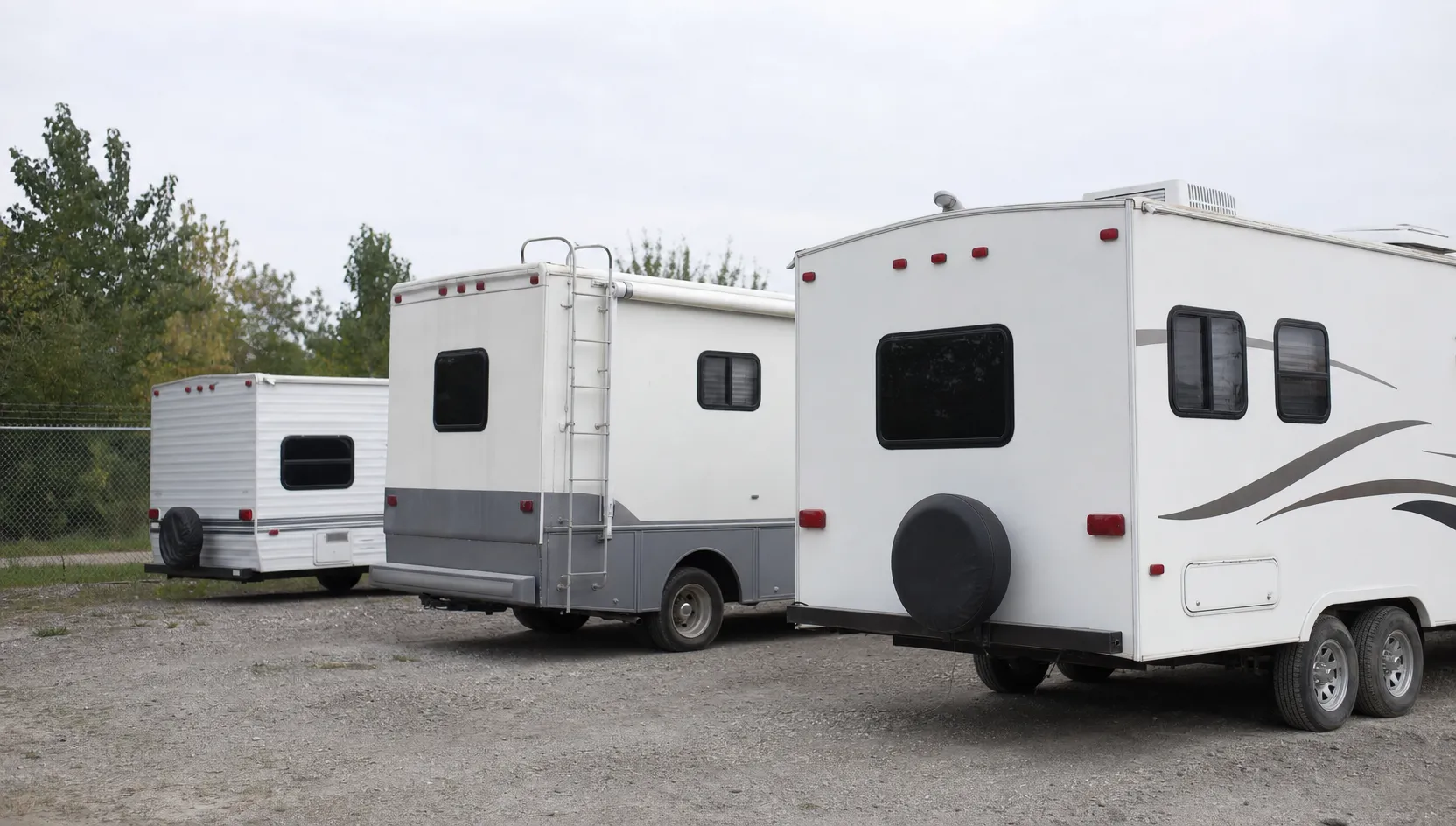
Storage matters if your driveway, street, or HOA won’t allow an RV. Roamly lists outdoor lots at $75 to $150 a month, covered spots at $125 to $200, and indoor units at $150 to $450 or more, with prices that vary by region. Check your city and HOA rules before you assume the RV can stay at home, because some places ban driveway parking.
Maintenance and Repairs
Camper Report says some RVers spend about $500 a year on maintenance, while others spend $1,000 to $3,000, depending on the RV and the work. Tires are a big item. It puts their life at roughly five to seven years, and new tires cost $100 to $900 each.
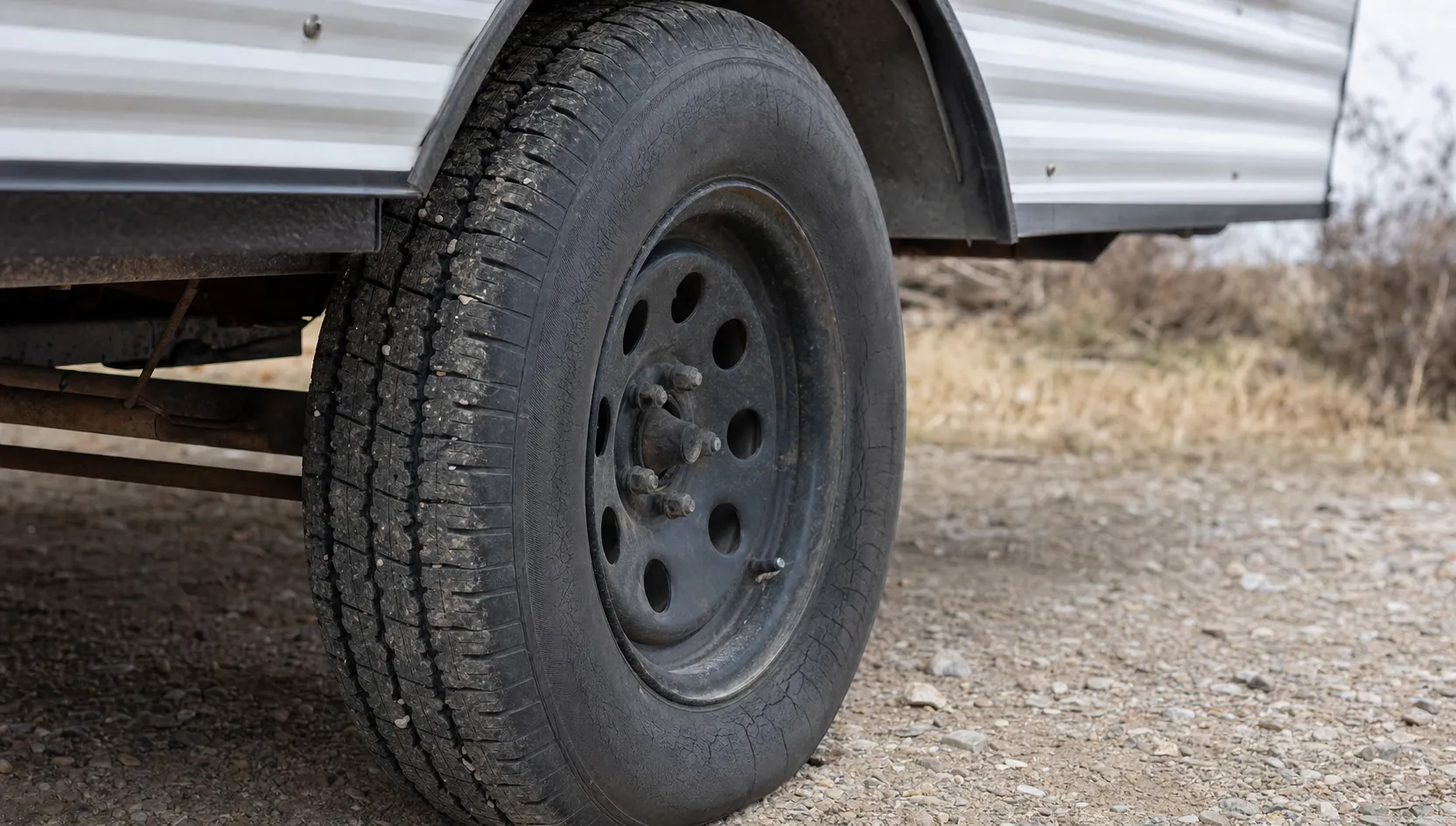
Simple habits keep the bill down. Check your tire pressure before every trip, and winterize your RV before the first hard freeze to avoid costly freeze damage.
Fuel and Campsites
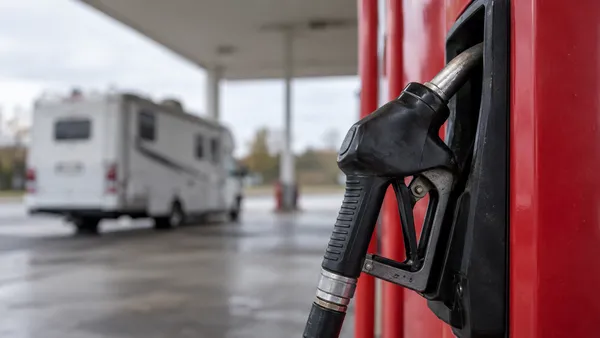
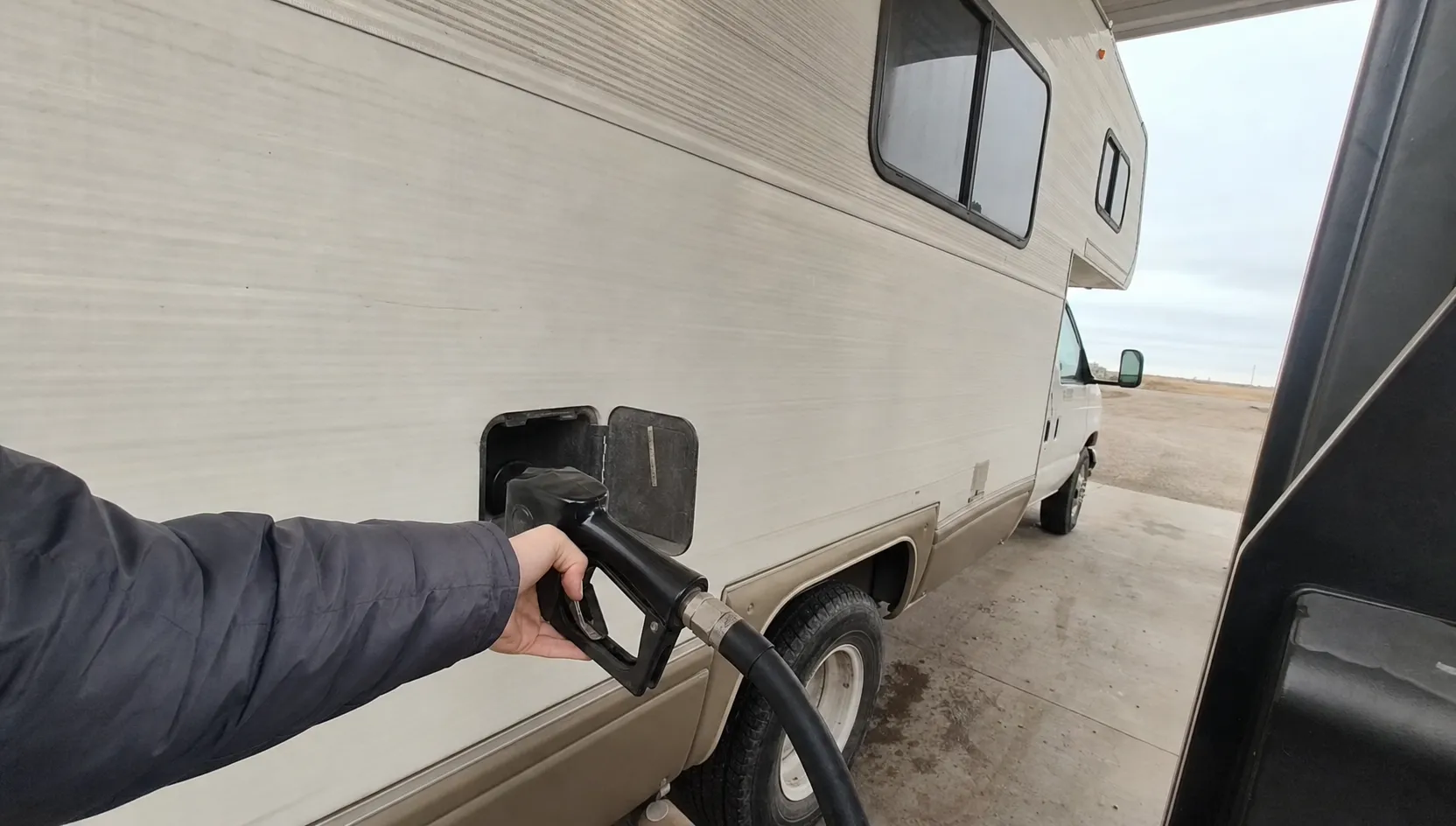
Fuel depends on your miles and your MPG, which can run from under 5 to about 14. Cruise America uses 5,000 miles a year at 10 MPG as an example, which is about 500 gallons. Our fuel cost calculator turns your own numbers into a dollar figure, and our gas mileage guide shows what to expect from each RV type.
Cruise America says state parks and smaller private campgrounds typically cost $20 to $40 a night, and sites near big cities or popular parks cost more. For a whole trip, try our trip cost calculator to see fuel, campsites, and food together.
Interest If You Finance
Borrowing adds interest on top of the price. Cruise America’s example is a $50,000 RV on a 10-year loan at 12%, which comes to a little over $700 a month. Our RV loan calculator shows your payment for your price and term.
Your Yearly Budget at a Glance
Take the $60,000 Class C again. Say you drive 4,000 miles at 9 MPG with gas at $4 a gallon (a sample price, not today’s), camp 20 nights at $40, and store it outside for $100 a month. The table sets the ranges next to what this sample year costs.
| Cost | Typical range | Sample year |
|---|---|---|
| Depreciation | 38% to 45% over 5 years | $4,600 |
| Insurance | $594 to $1,052 a year | $1,050 |
| Storage | $75 to $150 a month outside | $1,200 |
| Maintenance | $500 to $3,000 a year | $1,000 |
| Fuel | Miles ÷ MPG × price | $1,800 |
| Campsites | $20 to $40 a night and up | $800 |
| Total | Before loan interest | $10,450 |
That adds up to roughly $10,450 a year, or about $870 a month, before any loan interest. Your numbers will differ, but the exercise shows where the money goes.
Surprise Costs New Owners Miss
Registration and taxes. They vary by state, so check the fees for your state before you buy, and budget them again every single year.
Starter gear. Hoses, cords, leveling blocks, and a surge protector add up fast, even for a used RV that comes with very little.
Propane and supplies. Cruise America puts each propane refill at $25 to $50. Each one is small, but they never stop, so add them to your budget.
Repairs. Leaks, appliances, and slides can break without warning, so keep a cushion in your budget each year for repairs and surprises.

Subscribe to
Our Newsletter
By joining, you agree to receive emails.
See our Privacy Policy.
Check Before You Buy
Run through these questions before you sign anything. Each one protects your budget, and you can answer all of them in an evening.
- Does the payment still fit after insurance and storage?
- Do you have a quote for this exact RV?
- Do you have a place to park it, at home or in storage?
- Do you have a cushion set aside for repairs?
- Do you know how many nights a year you will use it?
- Have you priced a used model, too?
Ways to Keep Costs Down
Buy used to skip the biggest drop in value. Choose the smallest RV that fits your family, because bigger ones cost more to insure, store, and fuel. Rent first for a trip or two, so you learn how you travel before you commit.
Camp for free when you can. Our boondocking guide shows how to stay without hookups, and every free night cuts your campsite bill.
Your Next Step
An RV costs more than the sticker price, but it is not out of reach. Add up the yearly numbers before you buy, and you can enjoy the trips without the money worry. Still choosing a rig? Our beginner’s guide covers types, weights, and your first trip.